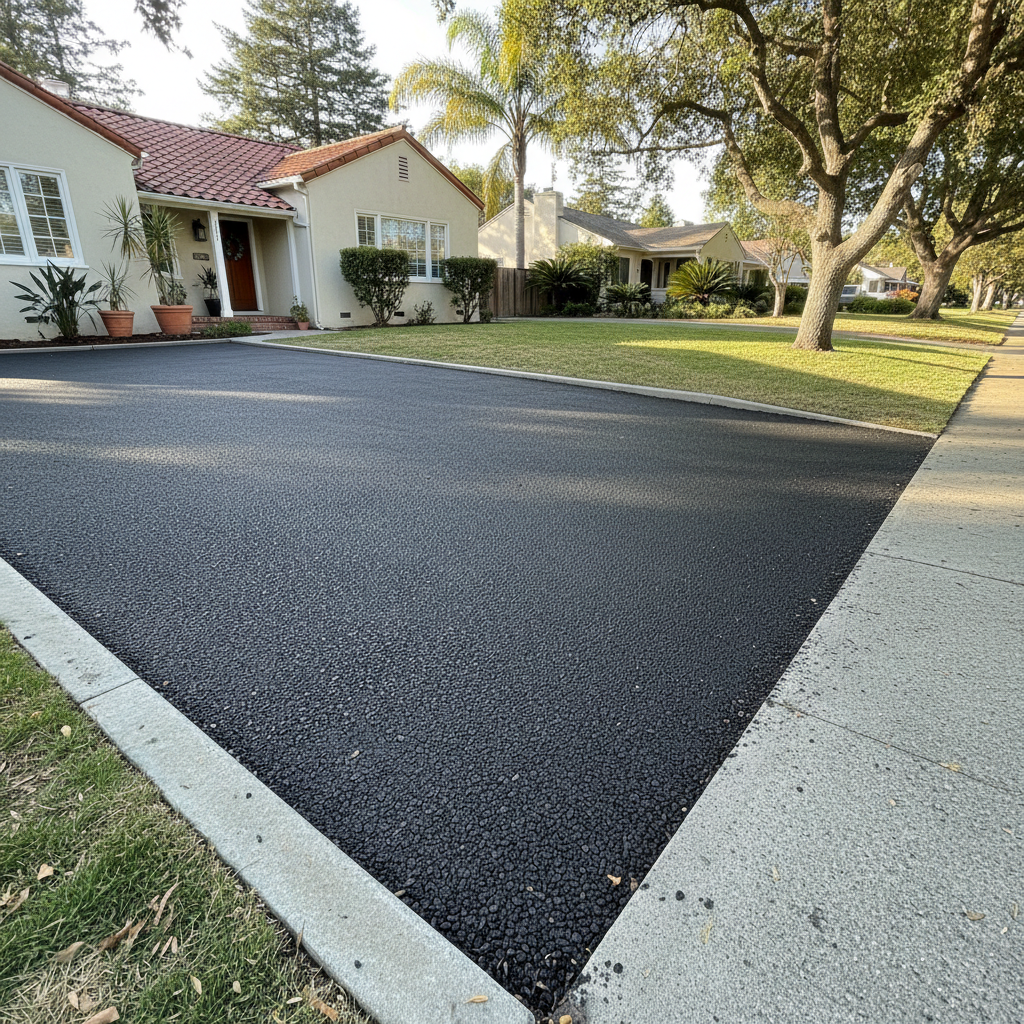
You're looking at getting your asphalt milled, maybe your driveway or a small private road. That's a smart move for a lot of properties, especially around here where we see everything from flat, sunny tracts to those steep, winding hills in the Easton Addition. Milling is a great way to prep a surface for new asphalt without tearing everything out, saving you a ton of money and disruption. But I've seen homeowners make some real blunders that turn a good idea into a headache. Let's talk about what you need to avoid.
Mistake #1: Not Knowing What Milling Actually Is (or Isn't)
This is a big one. Some folks think milling is just another word for repaving. It's not. Milling is when we use a specialized machine to grind off the top layer of your existing asphalt. Think of it like a giant planer. We take off a specific depth – maybe an inch, maybe three – to remove damaged, cracked, or uneven sections. This creates a fresh, textured surface for new asphalt to bond to. It's not a full reconstruction, and it's not just a quick patch job. If your underlying base is shot, or you've got serious drainage issues, milling alone might not be enough. You need to understand what you're asking for and what the process entails. Don't just say, "I need my driveway milled" without understanding the 'why' and 'what next'.
Mistake #2: Skipping the Site Assessment (or Letting the Contractor Skip It)
I can't stress this enough. Before anyone gives you a quote, they need to come out and look at the job. Period. I've had calls where people want a price over the phone for "milling a 500 square foot driveway." That's like asking a doctor for a diagnosis without an exam. We need to see the existing asphalt: how old is it? What's the condition? Are there deep cracks, potholes, or areas of significant rutting? Is the sub-base stable? What's the drainage like? What's the access for equipment? Around here, we deal with all sorts of soil conditions, from sandy loam to heavier clays, and that can impact how a project needs to be approached. A good contractor, like us at Burlingame Asphalt Solutions, will spend time walking the site with you, explaining what they see, and what the best approach will be. If a contractor quotes you sight unseen, that's a huge red flag. They're guessing, and you'll likely pay for their guesswork later.
Mistake #3: Focusing Only on the Lowest Price
Everyone wants a good deal, I get it. But when it comes to asphalt work, the cheapest bid is almost never the best bid. Milling requires specialized equipment and skilled operators. There's a lot that can go wrong if it's not done right. An inexperienced crew might mill too deep in some spots and not deep enough in others, leaving an uneven surface. They might damage surrounding landscaping or utilities. They might not properly dispose of the milled material. When you get multiple bids, compare apples to apples. What's included? What's the proposed depth of milling? What's the plan for the new asphalt overlay? Ask about their experience with similar projects. Ask for references. A slightly higher price often means a more experienced crew, better equipment, and a job done right the first time. You'll save money in the long run by avoiding costly re-dos.
Mistake #4: Not Confirming Permits or Utility Locates
This might seem minor, but it can shut down a job fast. Depending on the scope and location of your milling project, you might need a permit from the city of Burlingame, especially if it's near public right-of-way or involves significant changes to drainage. Your contractor should know this and guide you through the process. Even more critical: utility locates. Before any digging or heavy machine work, you absolutely need to call 811 (Dig Alert) to have underground utilities marked. Gas lines, water pipes, electrical conduits, communication cables – they're all down there. Hitting one isn't just a project delay; it's dangerous and can cost you thousands in repairs and fines. Don't assume your contractor will handle this automatically; confirm it with them. It’s your property, and ultimately, your responsibility to make sure these steps are taken.
Mistake #5: Ignoring the Post-Milling Plan
Milling is just one step. What happens after? You've got a freshly milled surface, which is great for bonding, but it's also exposed. You need a plan for the new asphalt overlay. How quickly will it be applied? What type of asphalt mix will be used? What's the compaction plan? Will there be proper drainage considerations? I've seen projects where the milling was done, and then the site sat for weeks, exposed to our coastal fog and occasional rain, which can compromise the newly prepared surface. Make sure your contractor has a clear, detailed plan for the entire process, from start to finish. Don't leave it to chance.
Look, milling is a fantastic solution for many asphalt problems. Just make sure you go into it with your eyes wide open. Do your homework, ask the tough questions, and choose a contractor who knows their stuff and communicates clearly. You'll be glad you did.