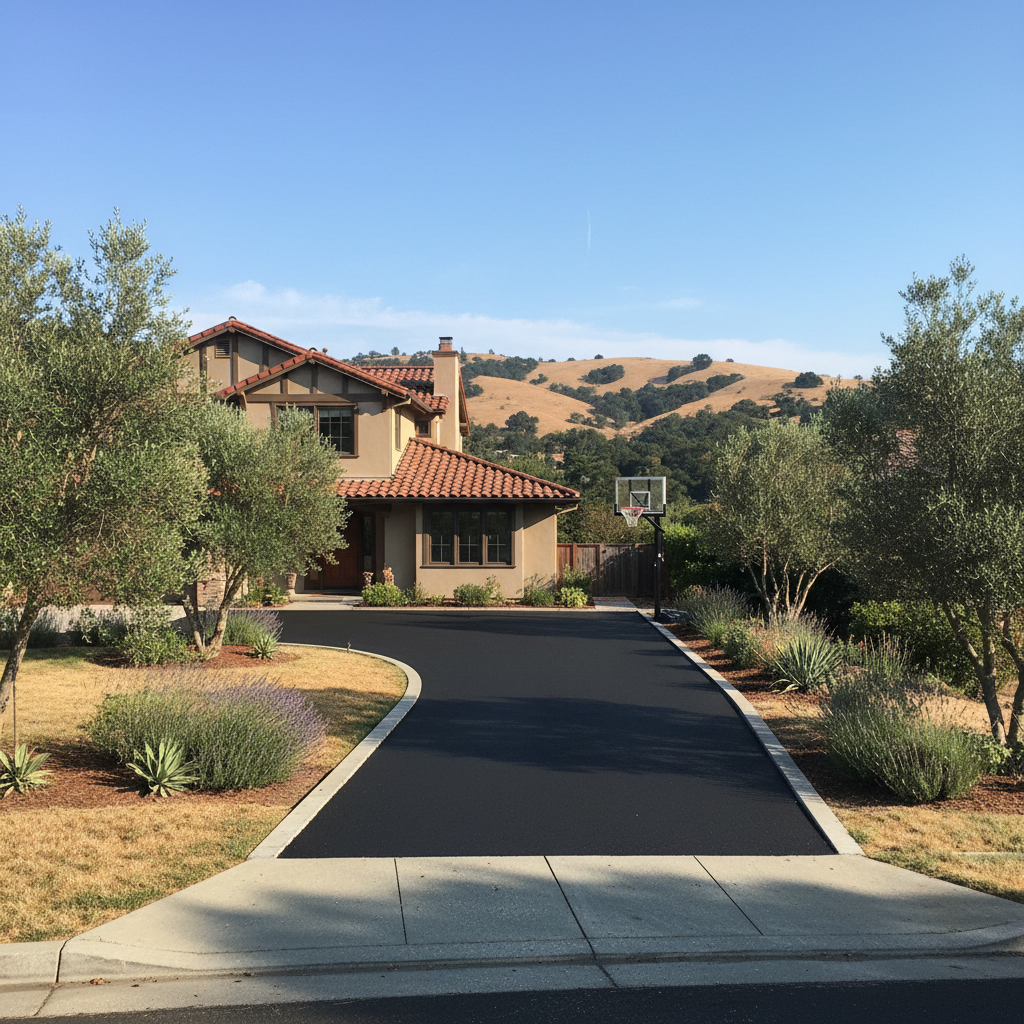
Your asphalt driveway takes a beating throughout the year, even if you do not notice it right away. Here in Burlingame, we deal with a specific mix of cool coastal moisture, morning fog rolling off the bay, and dry stretches that test the limits of petroleum-based paving. If you want your Asphalt Paving to last past its expected lifespan of 15 to 20 years or more, you have got to time your maintenance around the calendar rather than waiting for things to break down completely.
Playing Catch-Up with Burlingame's Wet Winters
Winter brings the rain, and water is the absolute enemy of residential asphalt. When precipitation seeps into small hairline cracks, it softens the sub-base beneath your driveway. Drive a heavy vehicle over that saturated foundation, and suddenly you are looking at alligator cracking and deep potholes. That is why Burlingame Asphalt Solutions always tells homeowners to lock in their Asphalt Repair work before the heavy rains set in.
- Inspect your edges and low spots after the first heavy December storm.
- Clear out leaves and debris that trap standing water against the curb line.
- Tackle minor crack filling during dry winter windows so water does not have a chance to settle.
Timing Your Major Projects for Warm Weather
Summer and early fall give us the optimal conditions for heavy asphalt work. Hot mix asphalt needs ambient heat to compact properly and achieve the right density. Burlingame Asphalt Solutions looks for stable dry days where the ground temperature supports proper curing. If you wait until late autumn, dropping evening temperatures can ruin a fresh installation before it sets up.
The coastal breeze we get around Burlingame Hills and down toward Broadway can actually drop ambient temperatures faster than you would expect on a summer afternoon. Experienced crews factor that microclimate into their daily paving schedules so the material does not cool off too quickly in the truck or on the ground.
Protecting Your Investment Year-Round
Maintenance does not stop just because the paving truck leaves your curb. UV rays from those clear summer afternoons dry out the binder, turning rich black asphalt into a brittle, gray surface. Regular upkeep prevents small surface issues from turning into expensive full-depth replacements.
Keep harsh chemicals, motor oil, and fertilizer spills washed off the surface promptly. If you notice tiny cracks opening up, do not ignore them until next year. Staying ahead of the weather cycle keeps your driveway solid, safe, and looking sharp for years to come.