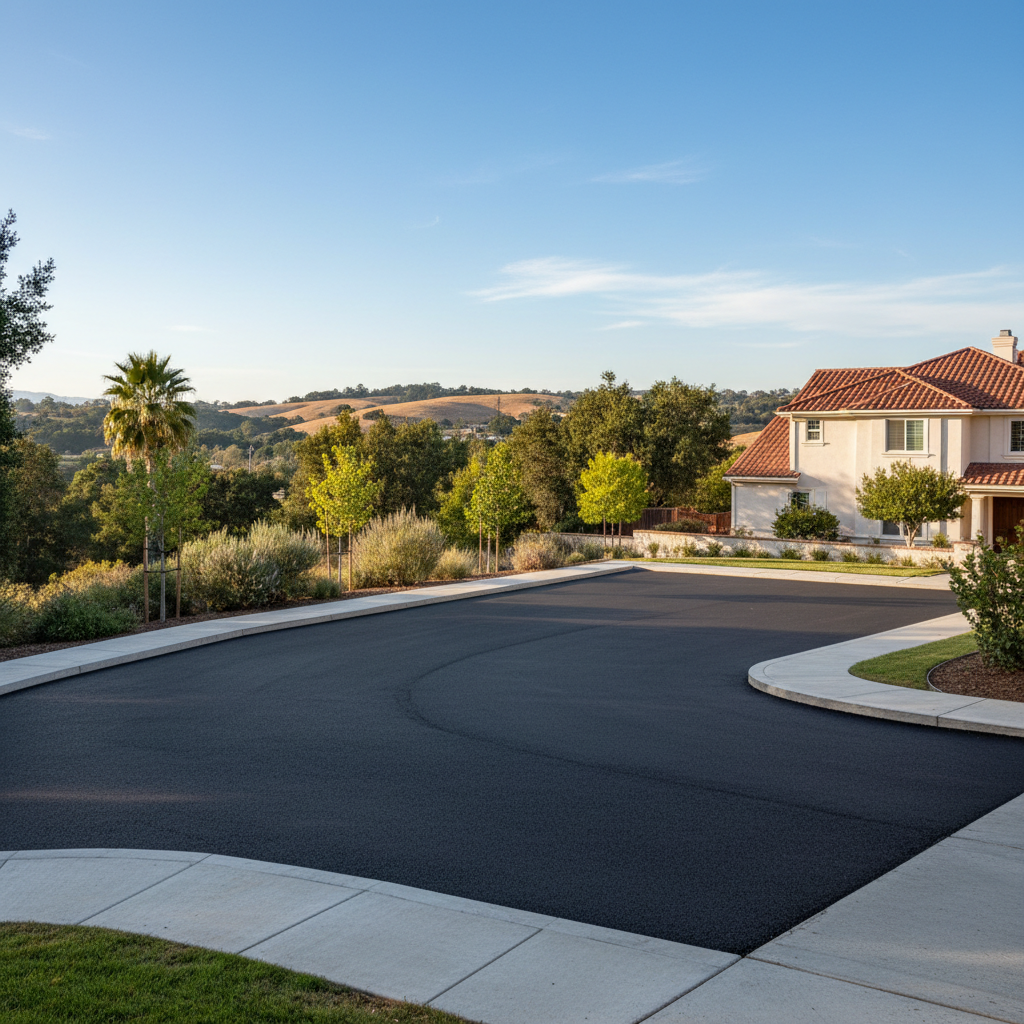
Alright, let's talk about your parking lot here in Burlingame. I see a lot of folks wondering about the best time to get paving done, or why their lot might be cracking up sooner than they expected. It usually comes down to understanding our local climate and how it plays into asphalt work. It's not just about slapping down some blacktop; it's about doing it right for our specific conditions.
When's the Best Time to Pave in Burlingame?
This is probably the most common question I get. For asphalt paving, you want warm, dry weather. That's non-negotiable. Why? Because asphalt needs to be laid and compacted at certain temperatures to cure properly and achieve its maximum strength. If it's too cold, the asphalt cools too fast, making it harder to compact correctly. If it's too wet, well, water and fresh asphalt don't mix. It can lead to poor adhesion and a weaker surface down the line.
So, for us here in Burlingame, that generally means late spring through early fall. Think May, June, July, August, September. Those are your prime months. We get those nice, consistent warm days, and usually, the rain has packed up for a while. You want to avoid the peak of summer if possible, especially those crazy heat waves we sometimes get, because extreme heat can make the asphalt too soft to work with effectively for extended periods, though we can manage it with careful planning. The sweet spot is really those shoulder seasons of late spring and early fall.
Weather Conditions That Really Matter
Beyond just 'warm and dry,' there are a few specific weather factors I'm always watching:
- Temperature: I'm looking for ground temperatures above 50°F, ideally closer to 60-70°F for the best results. Air temperature matters too, but the ground temp is critical for how the asphalt sets.
- Rain: Any significant rain, even a drizzle, can halt a paving job. It compromises the base layer and the fresh asphalt. We need clear skies.
- Humidity: Believe it or not, high humidity can slow down the curing process of some asphalt mixes. It's not as critical as temperature or rain, but it's something we factor in.
- Wind: Strong winds can cool asphalt too quickly, especially on larger, open lots. It also makes it tough to keep the aggregate (the stone in the asphalt) at the right temperature during transport and laying.
We're lucky here in Burlingame that we don't often deal with extreme freezes, but even a few cold nights can impact a job if it's not timed right. Those foggy mornings we sometimes get, especially near the bay, can also delay things if the ground stays too cool and damp.
Protecting Your Investment Year-Round
Once you've got that beautiful new parking lot, you want it to last, right? Here's how you protect it, no matter the season:
- Sealcoating: This is your lot's sunscreen and raincoat. I can't stress this enough. Sealcoating every 2-3 years, depending on traffic and sun exposure, is the single best thing you can do. It protects against UV rays, water penetration, and spills like oil and gas. It's a small investment that saves you big money on repairs down the road.
- Crack Filling: See a crack? Fill it. Don't wait. Cracks are like open doors for water to get into your sub-base. Once water gets under there, especially with our occasional heavy winter rains, it starts to erode the base, leading to potholes and bigger problems. It's much cheaper to fill a crack than to fix a pothole.
- Drainage Management: Make sure your drainage is working. Puddles aren't just annoying; they're destructive. Standing water softens asphalt and can lead to alligator cracking. Clear those drains, make sure water is flowing off the lot, not pooling on it.
- Regular Cleaning: Keep your lot clean. Debris, leaves, and dirt can trap moisture and accelerate deterioration. Plus, a clean lot just looks better.
- Mind Your Heavy Loads: If you have heavy trucks or equipment, make sure they're not consistently driving or parking in the same spots. Concentrated weight can cause rutting and depressions over time.
We've seen it all, from the busy lots on Broadway to the quieter ones in the residential areas near Burlingame Avenue. Every lot has its own challenges. But by understanding our local weather patterns and taking these proactive steps, you can significantly extend the life of your asphalt. If you're thinking about paving or need some maintenance, give Burlingame Asphalt Solutions a call. We'll come out, take a look, and give you the straight scoop on what your lot needs.