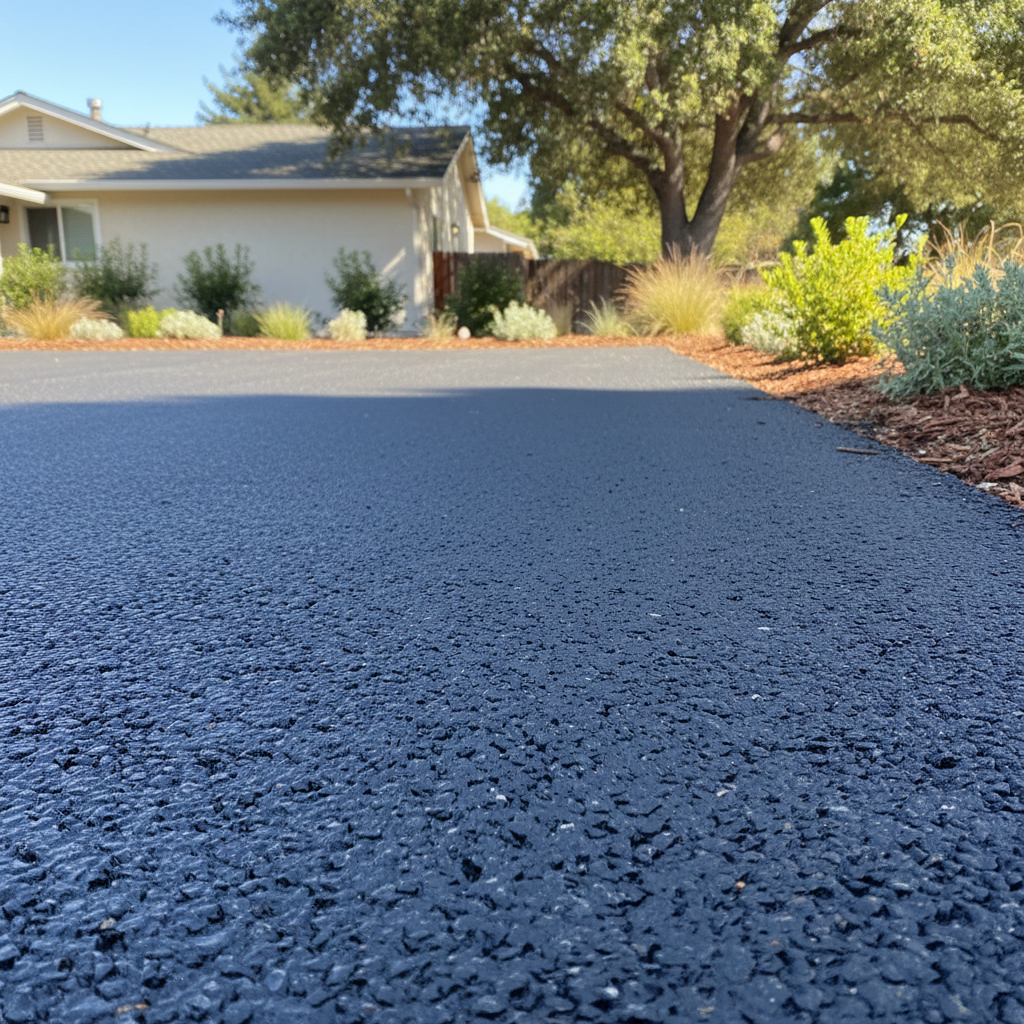
So, you've got some extra space on your property, maybe a gravel patch that's always a dusty mess, or you're just plain tired of parking on the street. Whatever the reason, you're thinking about putting in a proper paved parking area at your Burlingame home. It's a bigger job than a simple driveway repair, sure, but it's totally doable if you know what you're getting into. Let's chat about what you really need to consider before, during, and after the asphalt hits the ground.
Before You Even Think About Digging
First things first: planning is absolutely everything. You can't just pave over whatever's there and call it a day. You need to think about drainage, for starters. Where's all that water going to go? If it just pools up, you're going to have cracks and potholes in no time at all. I've seen plenty of jobs where folks didn't plan for runoff, and within a year, they're calling me to fix a mess that could've been avoided. You might need to slope the area slightly, or even consider a French drain if you're in a low-lying spot, especially with our rainy winters here on the Peninsula.
Next up, permits. Please, don't skip this step. For any significant hardscaping project, especially one that changes drainage patterns or impervious surface area, you'll likely need a permit from the City of Burlingame. Check with their planning or building department. It's a hassle, I know, but getting caught without one can lead to fines, stop-work orders, and even tearing out work you've already paid for. Trust me on this one; it's just not worth the headache.
Now, about what you can actually do yourself. Site prep, to a certain extent, is where you can save some cash. If you're just clearing brush or leveling a small, existing gravel area, you might be able to handle that with some rented equipment. But if you're talking about serious excavation, removing old concrete, or dealing with significant grading, that's usually when you want to call in a pro. They've got the heavy machinery and the know-how to get the base right. A good base is the foundation of your parking lot; skimping here means a short-lived surface, no matter how good the asphalt is.
During the Paving Process: What to Expect
This is where the rubber meets the road, literally. For a new parking lot, you're looking at several layers. It's definitely not just asphalt dumped on dirt.
- Excavation and Grading: The ground gets dug out to the right depth, then sloped for drainage. This part is critical.
- Sub-base Installation: A layer of compacted aggregate (like crushed rock) goes down. This provides stability and helps with drainage, big time.
- Base Course: Another layer of aggregate, often finer, is laid and compacted. This is your main structural support.
- Asphalt Paving: Hot asphalt mix is laid down in one or more layers, then compacted with heavy rollers.
Can you do any of this yourself? If you're thinking about laying the asphalt yourself, I'd strongly advise against it for anything bigger than a small patch. Laying asphalt properly requires specialized equipment – rollers, pavers, asphalt rakes – and a crew that knows how to work with hot material quickly before it cools. It's a science to get the right temperature, thickness, and compaction. You'll end up with an uneven, weak surface that won't last. For a proper parking lot, this is definitely a job for experienced paving contractors like us at Burlingame Asphalt Solutions.
However, if you're handy, you might be able to manage some of the sub-base work. If you've got access to a plate compactor and can haul and spread gravel evenly, you could potentially prepare the sub-base yourself. Just make sure you're following the contractor's specs for depth and compaction. But honestly, for anything beyond a small, simple pad, the pros will do it faster and better, ensuring it meets all the structural requirements.
After the Paving: Protecting Your Investment
Once your new parking lot is down, it's not quite a free-for-all. You need to give it time to cure. Typically, I tell folks to stay off it for at least 24-48 hours, sometimes longer if it's a particularly hot day. Heavy vehicles, especially, should wait a few days to a week. Driving on it too soon can cause ruts and indentations that are a real pain to fix later.
You'll also want to keep an eye on it for the first few weeks. Look for any signs of water pooling, which could indicate a drainage issue, or any soft spots. It's rare with a good install, but it happens. For long-term care, you'll eventually want to consider sealcoating to protect it from UV rays and water intrusion, but that's usually after the asphalt has fully cured, typically 6-12 months after installation.
Regular cleaning, like sweeping away debris, also helps. Don't let oil or gas spills sit there; clean them up quickly because they'll break down the asphalt binder. And if you see any small cracks starting to form, address them quickly. A small crack can turn into a big pothole if water gets in and freezes or expands, especially with our temperature swings. So, while you can definitely tackle some of the initial groundwork or ongoing maintenance yourself, when it comes to the actual paving of a new parking lot, you really want to bring in a professional. It's a significant investment in your property, and getting it right the first time will save you a lot of money and headaches down the road.