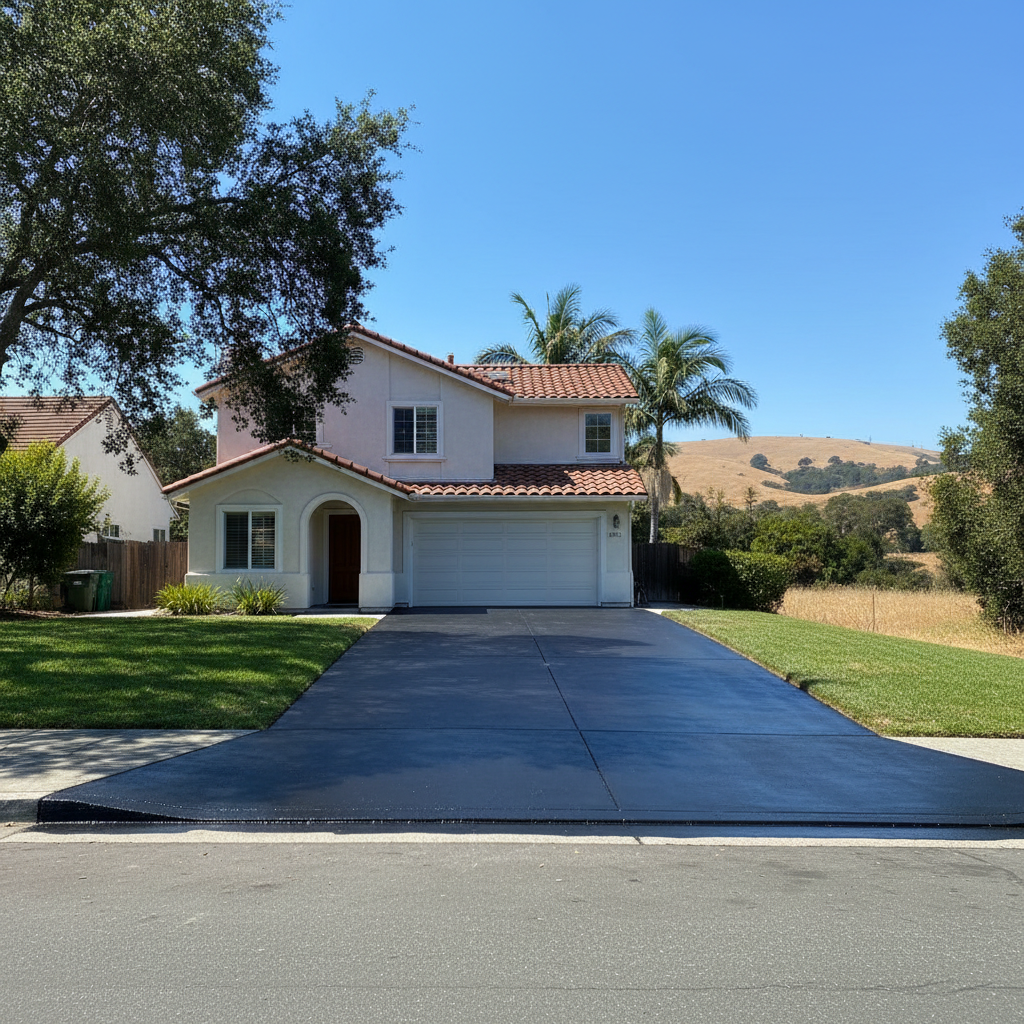
Thinking about getting your asphalt driveway sealcoated? That’s a smart move. It’s one of the best ways to protect your investment and keep your property looking sharp. But I know for most homeowners, it’s not something you do every day, so you might not know what to expect. Let me walk you through it, from start to finish, so you’re prepared and confident when you hire someone.
Understanding the Sealcoating Timeline
So, how long does this whole thing take? That’s usually the first question I get. The actual sealcoating process itself is pretty quick, but the overall timeline, from initial contact to driving on your fresh driveway, involves a few steps.
- Initial Contact & Estimate: This usually happens within a few days of you reaching out. We'll come out, measure your driveway, check its condition, and give you a detailed quote. This is also a good time to ask any questions you have right off the bat.
- Scheduling: Once you approve the estimate, we'll get you on the schedule. This can vary a lot depending on the time of year and weather. Spring and fall are usually busiest. Here in Burlingame, we get those nice, long dry spells in summer and early fall, which are perfect for sealcoating. But even then, you might wait a couple of weeks for an open slot. Rain is the enemy of sealcoating, so if we have a string of wet days, schedules can shift.
- Project Day: The actual work itself usually takes one day. For a typical residential driveway, we’re talking a few hours of active work.
- Curing Time: This is the big one. After the sealcoat is applied, it needs time to cure properly. I always tell folks to plan on staying off the driveway for at least 24 to 48 hours, sometimes longer if it’s a particularly cool or humid day. You don't want to drive on it too soon and mess up that fresh finish.
From when you first call us to when you can park your car back in the driveway, you're looking at anywhere from a week to a few weeks, depending on scheduling and weather.
What to Expect During the Process
Alright, let’s talk about what happens on the day we show up. It’s a pretty straightforward process for us, but it helps if you know what’s going on.
- Cleaning the Surface: First thing, we’ll thoroughly clean your driveway. This means blowing off loose debris, sweeping, and often using wire brushes to get rid of any dirt, oil, or grime that’s stuck on there. A clean surface is crucial for the sealcoat to adhere properly.
- Oil Stain Treatment: Any oil or grease spots? We'll treat those with a primer or special cleaner. If we don’t, the sealcoat won't stick, and you'll have ugly spots showing through.
- Crack Filling: If you have cracks, we'll fill them. This is a critical step for extending the life of your driveway. We use hot pour crack filler for larger cracks – it’s flexible and seals them up tight. Smaller hairline cracks might get filled by the sealcoat itself.
- Applying the Sealcoat: This is the main event. We apply the sealcoat evenly across the entire asphalt surface. We typically use a sprayer or squeegee, sometimes both, to ensure good coverage. For residential jobs, it’s usually one or two coats, depending on the product and the condition of your driveway.
- Barricading: Once it’s done, we’ll put up barricades or tape to make sure no one accidentally drives or walks on it while it’s wet.
It’s not a super noisy process, but there will be some activity. Just be aware that your driveway will be out of commission for a bit.
How to Prepare Your Driveway
You can help make the process smoother for everyone. Here’s what I recommend you do before we arrive:
- Clear the Driveway: Move your cars, bikes, trash cans, planters, basketball hoops – anything that’s on the asphalt needs to go.
- Trim Overhanging Branches: If you have trees or bushes hanging low over the driveway, give them a trim. This helps us get a clean edge and prevents leaves from falling onto the wet sealcoat.
- Turn Off Sprinklers: Make sure your automatic sprinklers are off for at least 24 hours before and after the sealcoating. We don’t want water spraying onto the fresh surface.
- Restrict Pet Access: Keep pets away from the work area. Sealcoat isn't good for paws, and we don't want any paw prints on your new driveway!
It’s all about giving us a clear, dry surface to work with. The less we have to move or deal with, the faster and smoother the job goes.
Questions to Ask Before You Sign a Contract
Before you commit to any contractor, including us at Burlingame Asphalt Solutions, you need to ask some pointed questions. Don't be shy – it's your money and your property.
- What specific sealcoat product do you use? There are different types and qualities. Ask for the brand and type.
- How many coats do you apply? For most residential driveways, two coats are ideal for durability and appearance.
- What’s your preparation process? Make sure they detail cleaning, crack filling, and oil spot treatment. If they skip these steps, walk away.
- What’s the estimated curing time? Get a clear answer on how long you need to stay off the driveway.
- Do you carry insurance? This is non-negotiable. Ask for proof of liability and worker's compensation insurance. You don't want to be on the hook if something goes wrong.
- Do you offer a warranty? What does it cover, and for how long?
- Can you provide references? A reputable contractor will be happy to give you a few names of past clients.
- What’s the total cost, and what’s included? Get a written estimate that breaks down all charges. No surprises.
- How do you handle unforeseen issues? Sometimes, we uncover things once we start. How will they communicate and address any extra costs?
Don't just go with the cheapest bid. Quality work, proper preparation, and good materials make a huge difference in how long your sealcoat lasts. You want someone who knows what they're doing, especially with the varied soil conditions we have around here, from the flatlands near the bay to the hills further west. A good sealcoat job protects your asphalt from the sun, rain, and traffic, keeping it looking great for years. Do your homework, ask the right questions, and you'll be happy with the results.