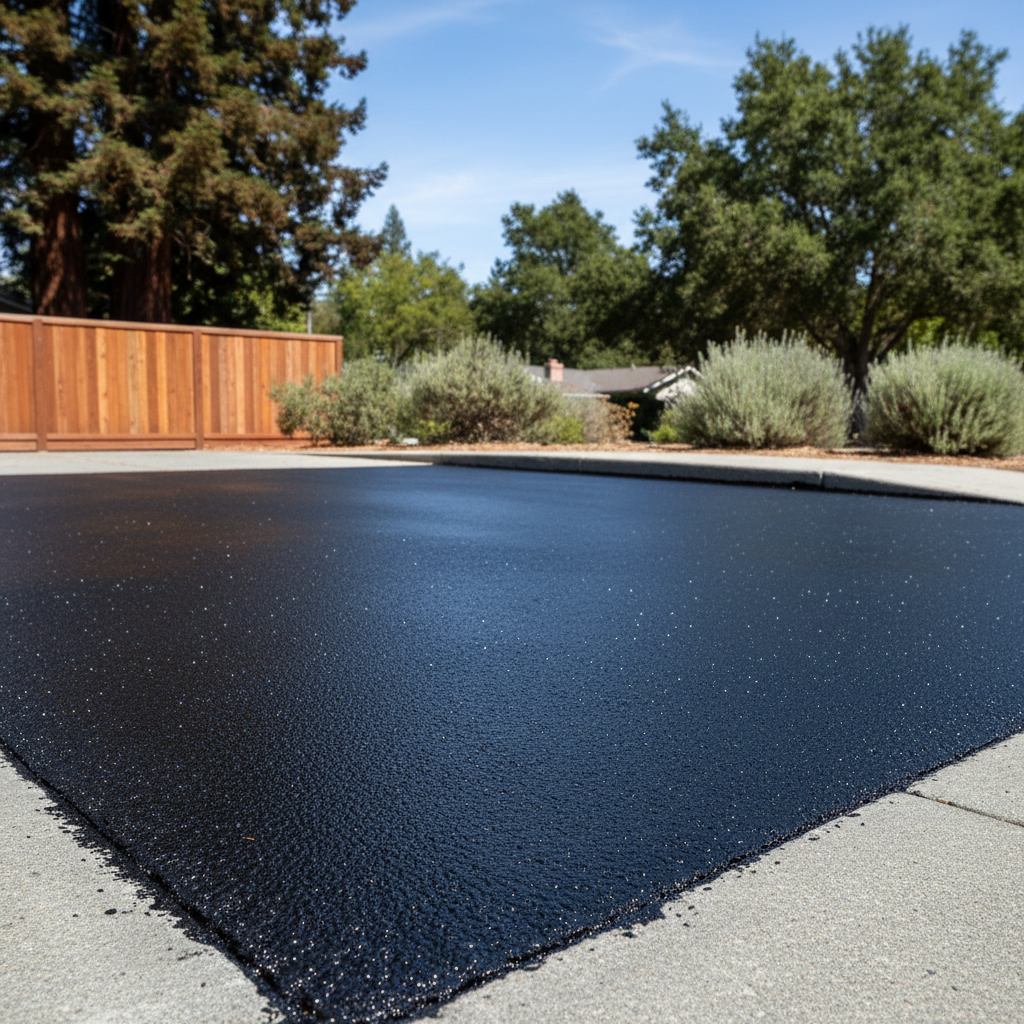
Do I really need to sealcoat my asphalt driveway?
Look, nobody *needs* to do anything, right? But if you want your asphalt driveway to last, especially here in Burlingame where we get that mix of hot sun and occasional heavy rain, sealcoating is a smart move. Think of it like sunscreen for your driveway. It protects the asphalt from UV rays that break down the binder, and it keeps water from seeping into those tiny cracks, which is a big deal when winter rolls around and that water freezes and expands. It also helps prevent oil and gas stains from really soaking in. Without it, your driveway will just degrade faster, plain and simple. You'll see it turn gray, get brittle, and crack sooner than it should.
How often should I sealcoat my driveway?
This is probably the most common question I get. For most residential driveways, I usually recommend every 2-3 years. If you've got a brand-new driveway, I tell folks to wait about 6-12 months before the first sealcoat. That gives the asphalt time to fully cure. After that, it really depends on a few things: how much sun exposure your driveway gets, how much traffic it sees (do you have multiple cars, RVs, etc.?), and if you've got a lot of trees dropping sap or leaves. Some folks in places like the Burlingame Park neighborhood with lots of mature trees might find they need it a bit more often due to organic debris and shade, while others with full sun might see the asphalt dry out faster. We can always take a look and give you an honest opinion.
What's the best time of year to sealcoat in Burlingame?
Timing is everything with sealcoating. You need warm, dry weather for the sealant to cure properly. That means our spring, summer, and early fall are generally ideal. I usually aim for days when the temperature is consistently above 50°F (and ideally 60°F+) and there's no rain in the forecast for at least 24-48 hours after application. Trying to do it when it's too cold or wet means the sealant won't adhere right, won't cure properly, and you'll just be wasting your money. So, late April through October is usually our sweet spot here.
What's the difference between coal tar and asphalt emulsion sealers?
Good question, and one that's got a lot of debate around it. Historically, coal tar sealers were the go-to. They're tough, very resistant to chemicals like oil and gas, and give a really deep black finish. The downside is they have a strong odor and there have been environmental concerns raised about them. Asphalt emulsion sealers, on the other hand, are made from asphalt itself. They're more environmentally friendly, have less odor, and are generally easier to work with. They might not be quite as resistant to chemicals as coal tar, but for most residential driveways, they do a fantastic job. Here at Burlingame Asphalt Solutions, we primarily use high-quality asphalt emulsion sealers because they offer excellent protection with fewer environmental drawbacks, and frankly, that's what most of our customers prefer these days.
How long does it take to dry, and when can I drive on it?
Patience is key after sealcoating! The surface will usually be dry to the touch within a few hours, but that doesn't mean it's fully cured. I always tell homeowners to stay off the driveway for at least 24 hours, and ideally 48 hours, especially if it's a bit cooler or humid. If you drive on it too soon, you can leave tire marks, scuff the surface, or even pull up the fresh sealant. Imagine trying to walk on wet paint – it's the same idea. We want that sealant to bond properly and create a durable protective layer for you.
My driveway has cracks. Will sealcoating fix them?
This is a common misconception. Sealcoating is a protective layer, not a repair solution for existing damage. Think of it like painting over a crack in a wall – it might hide it for a bit, but it won't fix the underlying issue. Before we sealcoat, we always recommend addressing any significant cracks. We'll clean them out and fill them with a hot rubberized crack filler. This stops water from getting underneath the asphalt and causing bigger problems like potholes or further deterioration. Once the cracks are properly filled, then the sealcoat goes on top, protecting both the asphalt and the crack filler. It's an important two-step process for a lasting result.
Can I DIY sealcoat, or should I hire a professional?
You *can* buy sealcoat at a home improvement store and try to do it yourself. And for a tiny patch, maybe. But for an entire driveway, especially if you want it done right and to last, I really recommend hiring a professional. It's more than just pouring it on. You need to properly clean the surface, treat oil stains, fill cracks, and then apply the sealant evenly and at the right thickness. If you don't prep correctly, or if you apply it too thin or too thick, you won't get the protection you're paying for. Plus, it's messy work! We've got the right equipment, the experience, and we know how to handle the different conditions we see around Burlingame. We'll save you the headache and give you a finish that actually protects your investment.