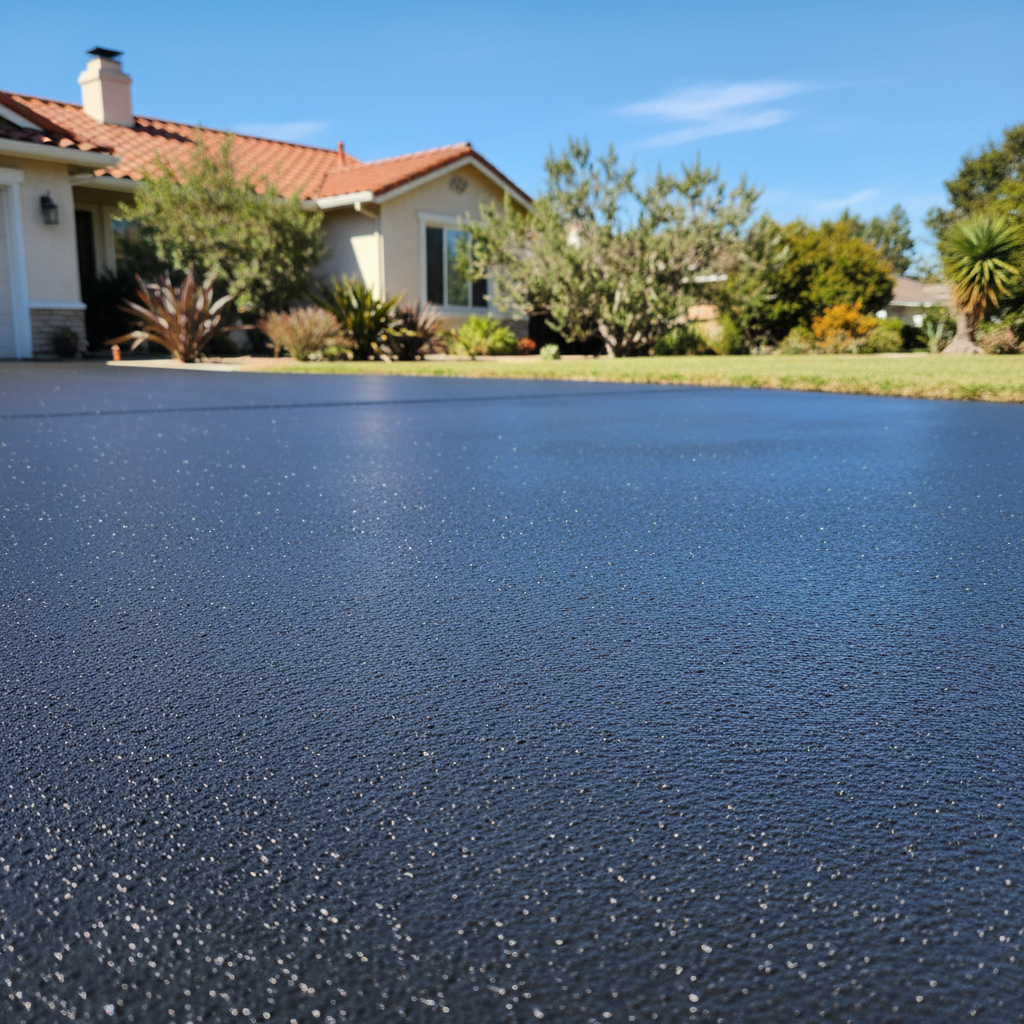
Alright, let's talk slurry coating. I get a lot of questions about this from homeowners around Burlingame, especially those with older driveways or private access roads. There's a bit of confusion out there about what it is, what it does, and if it's the right move for your property. So, I figured I'd put together some straight answers to the questions I hear most often. No fluff, just the facts from someone who's been doing this work for a long time.
What exactly is slurry coating, and how is it different from sealcoating?
This is probably the number one question I get. Think of slurry coating as a heavier-duty version of sealcoating. Sealcoating is a thin, protective layer, usually an emulsion of asphalt, water, and some additives. It's great for refreshing the look of a healthy pavement and providing a basic level of protection against UV rays and minor spills. It's like painting a wall.
Slurry coating, on the other hand, is a mix of asphalt emulsion, aggregate (tiny crushed rocks or sand), water, and some chemical additives. Because it includes aggregate, it's thicker and more substantial. It doesn't just protect the surface; it actually fills small cracks and voids, improves skid resistance, and provides a new wearing course for the pavement. It's more like skim-coating a wall to smooth out imperfections before painting. If your asphalt is showing more wear than just fading, slurry might be what you need.
When is slurry coating the right choice for my driveway or private road?
You'll want to consider slurry coating when your asphalt pavement is showing signs of aging, but it's not completely falling apart yet. I often recommend it for pavements that have a lot of fine hairline cracks, minor surface raveling (where small pieces of aggregate are coming loose), or a generally rough texture. It's also excellent for restoring the surface of older pavements that have become oxidized and faded, bringing back that deep black look.
It's a great preventative measure too. If your asphalt is still in decent shape but you want to extend its life significantly before needing a full repave, slurry coating can buy you years. It's definitely not for major structural issues like large potholes or significant alligator cracking; those problems need more extensive repair work first, sometimes even a full asphalt overlay or replacement.
How long does a slurry coat last, especially with our Burlingame weather?
Typically, a well-applied slurry coat can last anywhere from five to ten years, sometimes even longer, depending on traffic, maintenance, and, yes, our local conditions. Here in Burlingame, we don't get the extreme temperature swings that really beat up pavement in other parts of the country. Our mild, Mediterranean climate is actually pretty good for asphalt. The main culprits for wear here are UV exposure and occasional heavy rains that can wash away loose material if the surface isn't protected.
The quality of the initial asphalt installation matters a lot too. If you've got a solid base underneath, your slurry coat will perform better and last longer. Regular cleaning and making sure you don't have standing water issues will also help maximize its lifespan.
What's the process for applying a slurry coat, and how long will my driveway be out of commission?
The process starts with thorough cleaning of the pavement. We'll sweep, blow, and sometimes even pressure wash to get rid of all dirt, debris, and loose aggregate. Any significant cracks or potholes need to be repaired beforehand. Then, we apply the slurry mix evenly across the surface using specialized equipment. It's a precise job to ensure uniform thickness and coverage.
As for downtime, that's a big one for homeowners. You're usually looking at about 24 to 48 hours before you can drive on it. Pedestrian traffic can often resume sooner, maybe 12-24 hours, but you'll want to stay off it completely until it's fully cured to avoid tracking and damaging the fresh surface. We'll always give you a clear timeline based on the specific product we're using and the weather forecast for the day. No one wants tire marks on their brand-new looking driveway!
Can I just do a small section, or does it have to be the whole thing?
You really need to do the whole thing. Slurry coating is designed to provide a uniform, continuous surface. If you try to do just a small patch, you'll end up with a noticeable seam and a difference in texture and color. It'll look patchy and won't wear evenly. It's like trying to paint just one section of a wall — it's always going to stand out. For the best appearance and longevity, a full, consistent application across the entire paved area is essential.
Is slurry coating a DIY project, or should I hire a professional?
Look, I'm a contractor, so you might think I'm biased, but this is one of those jobs where hiring a professional really pays off. Slurry coating isn't like painting a fence. The mix has to be just right, the application needs to be even and consistent, and you need the right equipment to do it properly. If it's applied too thin, it won't last. If it's too thick, it can crack. If the surface isn't prepped correctly, it won't adhere.
I've seen plenty of DIY attempts that end up costing more to fix than if the homeowner had just hired Burlingame Asphalt Solutions in the first place. Plus, working with these materials can be messy and requires safety precautions. Save yourself the headache and get someone who knows what they're doing. You'll get a professional finish that lasts, and you won't have to spend your weekend scrubbing asphalt off your shoes.
What should I look for in a contractor for slurry coating?
When you're looking for someone to do this work, you want a contractor with a solid track record. Ask for references, especially from neighbors in areas like Lyon Hoag or Easton Addition who might have similar driveways. Make sure they're licensed and insured. Ask about the specific materials they use – not all slurry mixes are created equal. A good contractor will be transparent about the process, give you a clear timeline, and provide a detailed quote that outlines everything included.
Don't just go for the cheapest bid. Sometimes a slightly higher price means better materials, more experienced crews, and a warranty on their work. It's an investment in your property, so you want it done right the first time.